Source Rear View Camera for Cars, Trucks, and Agricultural Vehicles
Explore 29 rear view camera options suitable for cars, trucks, and agricultural vehicles. Buyers can compare features like night vision, waterproof ratings, and viewing angles to find the right backup camera for their fleet needs; compare the available evidence and request quotations based on your requirements.
Key considerations
Products List


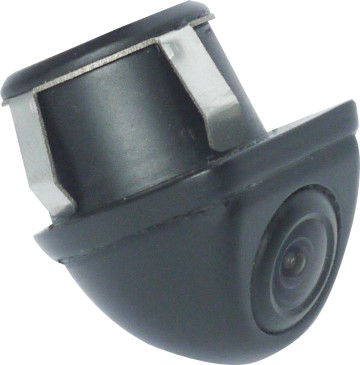


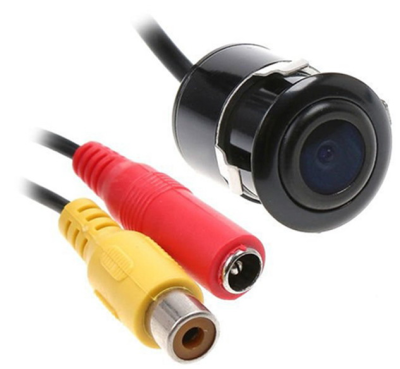


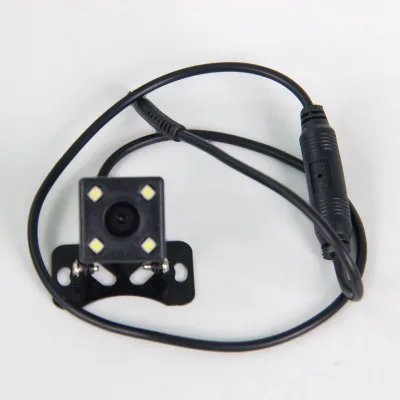


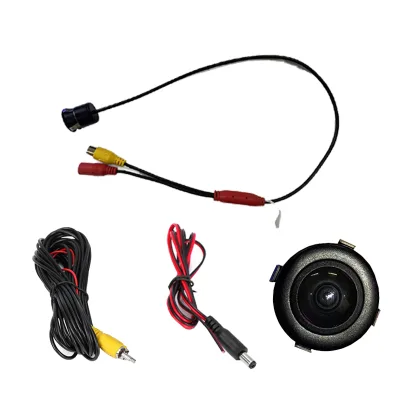


Comprehensive Sourcing Guide
Rear View Camera Sourcing Guide
The global market for rear view cameras serves a diverse fleet of vehicles, ranging from standard passenger cars and SUVs to heavy-duty agricultural machinery and engineering vehicles. Procurement teams must recognize that these units are engineered for specific operational environments, with models explicitly designed for harvesters, forklifts, and sightseeing cars. The versatility of the product line allows buyers to source universal solutions that fit various chassis types, ensuring compatibility across mixed fleets without requiring custom engineering for every vehicle class.
Buyers should prioritize units that offer robust environmental resilience, as these cameras often operate in harsh conditions involving dust, water, and extreme temperature fluctuations. The observed product attributes indicate a functional range capable of withstanding temperatures from -20°C to +75°C, which is critical for vehicles operating in diverse climates. Additionally, the availability of customization options allows procurement teams to tailor features like viewing angles and mounting configurations to meet specific logistical or safety requirements unique to their organization.
Product Scope and Observed Listing Signals
The current market listings reveal a wide spectrum of pricing, with observed values ranging from 5 to 350 USD, reflecting significant variation in feature sets and build quality. This price disparity often correlates with the complexity of the video input systems, screen integration, and the durability of the housing materials used. Buyers must carefully evaluate whether a lower-cost unit meets the necessary performance thresholds for their specific application, as the cheapest options may lack the advanced night vision or high-resolution capabilities required for heavy industrial use.
Minimum Order Quantities (MOQ) in the observed data span from single units to 1,000 pieces, offering flexibility for both small-scale replacements and large fleet deployments. The packaging formats vary from individual boxes to palletized shipments, indicating that suppliers are prepared to handle different logistical scales. Procurement strategies should align with these MOQ ranges to optimize inventory costs, ensuring that the order volume matches the actual deployment timeline while avoiding unnecessary capital tie-up in excess stock.
Technical Specifications to Verify
When evaluating technical performance, the viewing angle is a critical parameter that directly impacts driver visibility and safety margins. The available data suggests a wide field of view ranging from 100 to 170 degrees, with specific models offering angles between 120 and 170 degrees. Buyers must verify that the selected camera provides sufficient coverage for the vehicle's width and blind spots, ensuring that the 100-degree minimum is not the only option available for narrow-aisle operations in warehouses or construction sites.
Resolution and low-light performance are equally vital for operational safety, particularly for vehicles operating during night shifts or in poorly lit environments. The observed specifications include a resolution of 1280*720 pixels and dedicated night vision capabilities, which are essential for clear visibility in adverse lighting conditions. Procurement teams should confirm that the video input systems support the required number of channels, such as the 4-CH inputs found in some models, to ensure seamless integration with existing monitoring infrastructure.
Compliance and Safety Documentation
Certification status is a non-negotiable aspect of procurement, as it validates that the product meets international safety and environmental standards. The supplied facts confirm the presence of ISO, CE, and RoHS certifications for various models, indicating compliance with European safety directives and restrictions on hazardous substances. Buyers must request current certification documents for every batch purchased to ensure that the products remain compliant with the latest regulatory requirements in their target markets.
Waterproofing and dustproofing ratings are essential for ensuring long-term reliability in outdoor and industrial settings. Specific models in the market have achieved an IP69 rating, which signifies protection against high-pressure, high-temperature water jets, while others are rated for general waterproof and dustproof conditions. Procurement teams should verify the specific IP rating for each unit to match the environmental exposure of the vehicle, ensuring that the camera housing can withstand the specific wash-down procedures or weather conditions it will encounter.
Cost Drivers and Commercial Terms
The total cost of ownership is influenced by several factors beyond the initial unit price, including the material composition of the housing and the complexity of the electronic components. Units constructed from aluminum or high-grade ABS plastic often command a premium due to their superior durability and resistance to impact, which is crucial for vehicles like forklifts and agricultural machinery. Buyers should assess whether the added cost of premium materials justifies the potential reduction in replacement frequency and maintenance downtime.
Warranty terms and packaging standards also play a significant role in commercial negotiations and long-term budgeting. The observed warranty periods range from 12 to 24 months, providing varying levels of protection against manufacturing defects. Additionally, the packaging specifications, such as single package sizes and gross weights, affect shipping costs and storage efficiency. Procurement teams should negotiate warranty extensions and optimize packaging to reduce logistics expenses while ensuring the products arrive in pristine condition.
Supplier Qualification and Quality Control
Supplier location and origin are key indicators of supply chain stability and potential lead times, with major production hubs identified in China, specifically in Jinan and Guangdong. These regions host a concentration of manufacturers capable of producing high volumes of rear view cameras, yet buyers must verify the specific factory capabilities and quality control processes. Understanding the geographic origin helps in anticipating potential logistical challenges and in assessing the supplier's ability to meet delivery schedules for large orders.
Quality control protocols must be rigorously applied to ensure that every unit meets the specified performance standards before shipment. The presence of standardized packaging and consistent product models suggests a mature manufacturing process, but buyers should still implement incoming inspection procedures. Verifying that the shell material, voltage requirements, and functional attributes like parking lines match the purchase order is essential to prevent the deployment of non-compliant equipment that could compromise fleet safety.
Long-Term Procurement Checks
Sustaining a reliable supply chain requires regular audits of supplier performance and product consistency over time. Buyers should establish a schedule for reviewing warranty claims and return rates to identify any emerging quality issues with specific models or batches. This proactive approach allows organizations to address defects early and maintain high standards of vehicle safety, ensuring that the rear view cameras continue to perform reliably throughout their intended service life.
Future-proofing the procurement strategy involves monitoring technological advancements and evolving industry standards for vehicle safety systems. As regulations regarding night vision and high-resolution imaging become more stringent, suppliers must be able to adapt their product lines accordingly. Procurement teams should maintain open communication with suppliers to stay informed about new models, such as those with updated screen sizes or enhanced video inputs, ensuring that the fleet remains equipped with the latest safety technologies.
FAQs
What viewing angles are available for rear view cameras?
Rear view cameras typically offer wide viewing angles ranging from 100 to 170 degrees. This broad field of view ensures comprehensive coverage of the area behind the vehicle, reducing blind spots significantly. Models with 120 to 170-degree angles are common for SUVs and trucks, providing clear visibility for safer reversing maneuvers in tight spaces.
Can these cameras operate in extreme temperatures?
Yes, many rear view cameras are designed to function in harsh environments. They typically support working temperatures between -20°C and +75°C. This durability ensures reliable performance in both freezing winters and hot summers, making them suitable for agricultural vehicles, engineering equipment, and outdoor commercial transport applications without failure.
What certifications do rear view cameras usually have?
Rear view cameras often carry ISO, CE, and RoHS certifications. These standards confirm compliance with international safety and environmental regulations. Such certifications ensure the products meet rigorous quality benchmarks for electronic components and materials, providing buyers with confidence in the reliability and regulatory adherence of the supplied camera systems.
Are rear view cameras waterproof for outdoor use?
Yes, rear view cameras are generally waterproof and dustproof. Many models feature an IP69 waterproof grade, protecting internal components from water jets and dust ingress. This robust sealing ensures long-term durability and clear image quality even in heavy rain or muddy conditions, which is essential for agricultural and engineering vehicles.
What warranty periods are standard for these cameras?
Standard warranty periods for rear view cameras typically range from 12 to 24 months. This coverage protects buyers against manufacturing defects and ensures product reliability. A two-year warranty is common for higher-end models, providing peace of mind and support for commercial fleets and individual vehicle owners alike during the initial usage phase.
Which vehicles are compatible with these rear view cameras?
These cameras are compatible with a wide range of vehicles including cars, SUVs, trucks, RVs, and agricultural machinery. They are designed for universal application, fitting forklifts, harvesters, and sightseeing cars. This versatility allows buyers to source a single product type for diverse fleet needs, simplifying procurement and installation processes.